Origin verified. Custody documented. Integrity proven.
Most traceability systems record what participants report about themselves: attestation by assertion. Demia's provenance is computed from signed source data, not derived from documents.
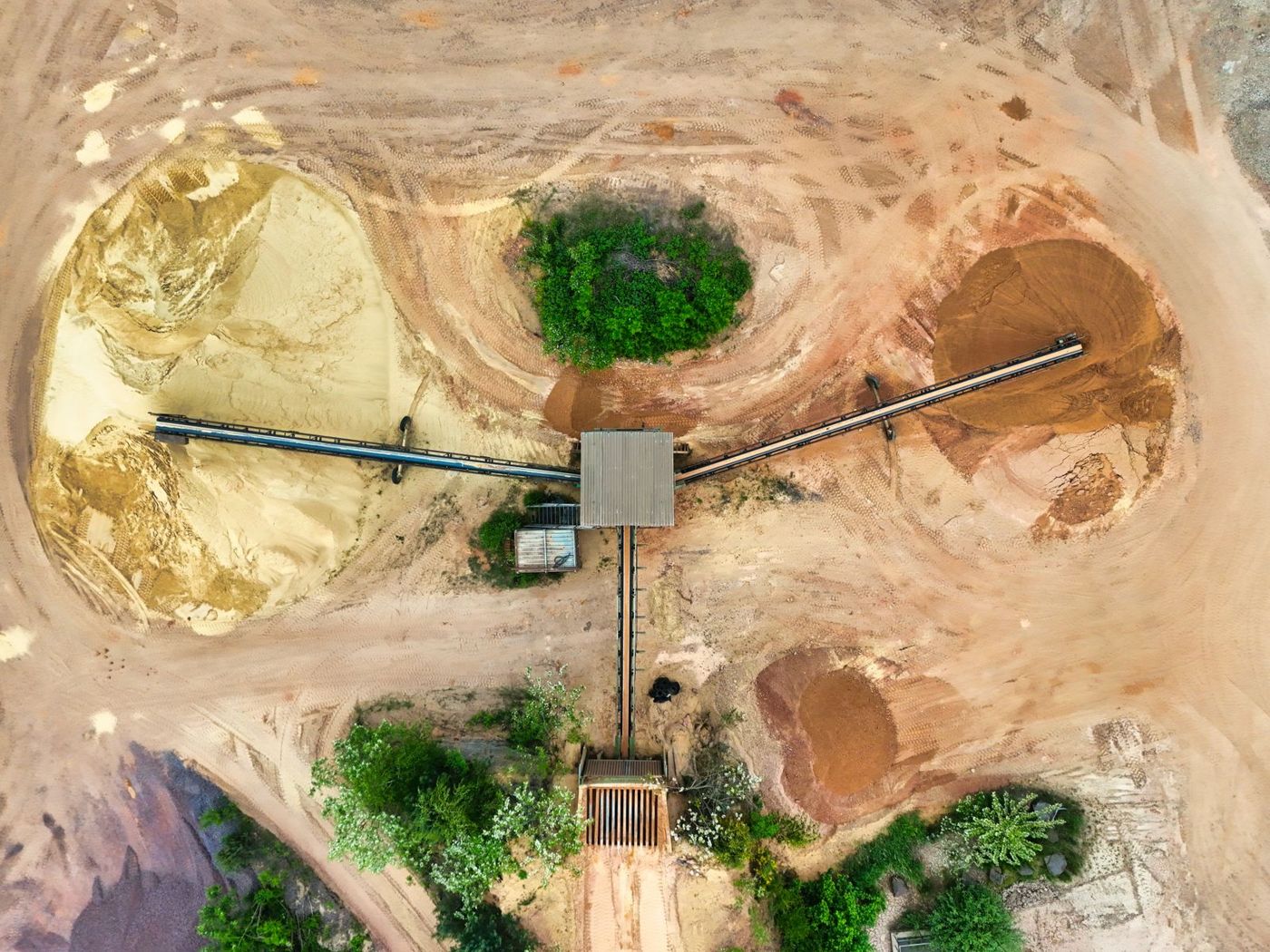
Self-reported traceability collapses under scrutiny.
Assertion-based systems break the moment a counterparty, regulator, or auditor applies adversarial scrutiny. Demia's provenance claim is computed from the measurement, not derived from the document, so it holds under examination.
Every custody handoff is signed and logged.
When material moves from mine to processor to refiner to manufacturer, each handoff is signed by both parties and published to the product's data stream. The chain of custody stays unbroken from first capture to final attestation.
Multi-party chains without central aggregation.
Independent organizations each have their own systems and incentives. Demia's selective disclosure architecture lets each participant share verified provenance downstream without exposing proprietary operational details, enabling chain-wide traceability without a central data repository.
Works with systems already in place.
Demia does not require replacing existing ERP, warehouse management, or production control systems. API connectors ingest from SAP, PI Vision, and operational databases, signing and linking records at ingestion so the provenance layer sits beneath existing workflows.
One infrastructure. Multiple compliance regimes.
The same traceability layer underpins DFARS critical mineral provenance, carbon intensity for EAC issuance, EU product passport data and legal chain of custody. Each output is configured to the evidentiary standard of the regime receiving it.