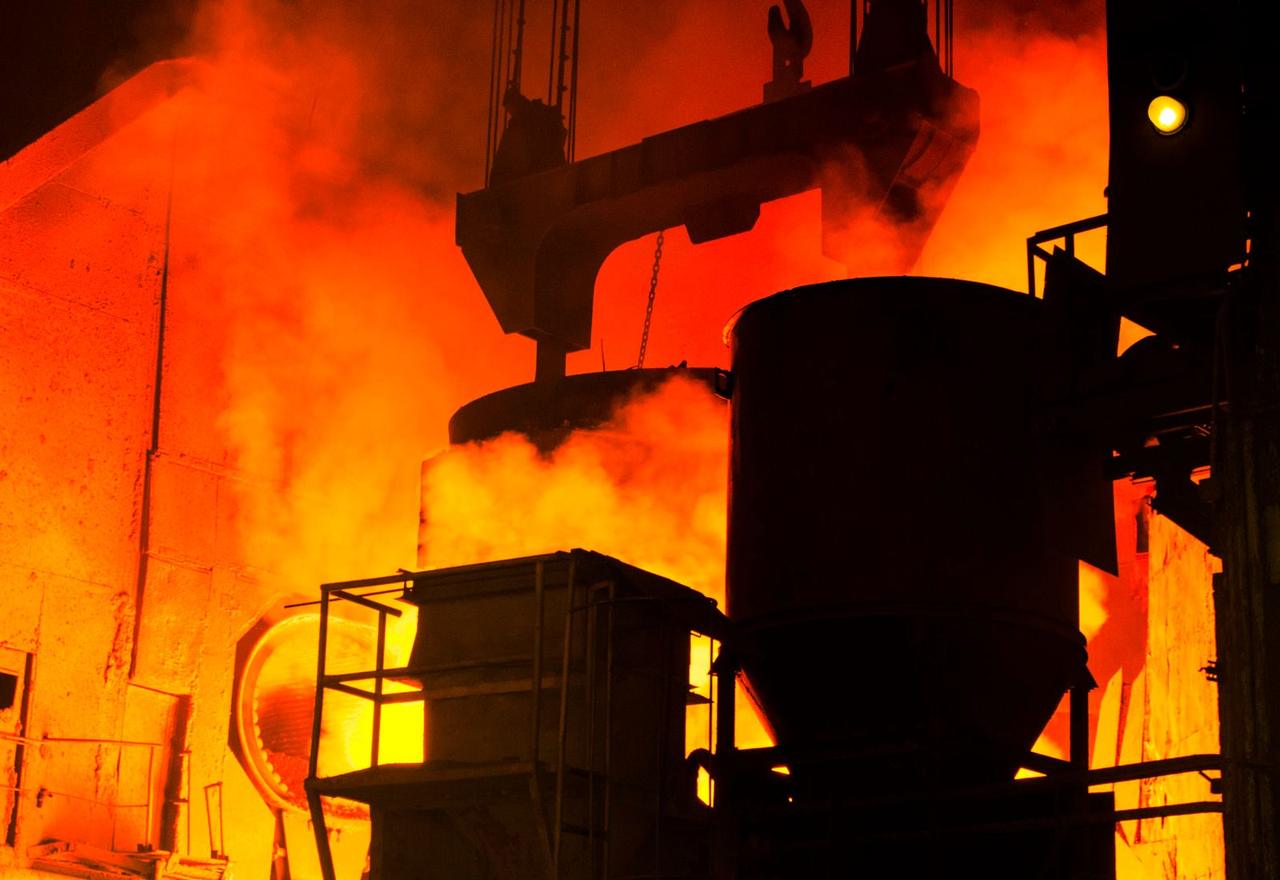
Every transformation step in a critical materials supply chain adds evidentiary burden. Buyers, regulators, and financiers are demanding verified composition, origin, and processing history, not self-certified documents.
Ore becomes refined metal, alloy, battery-grade chemical or specialty steel. Each step changes the product and adds an evidentiary requirement. Buyers, regulators and financiers now want verified composition, origin and processing history for every lot.
What Demia does
The material keeps its identity through every step.
Demia signs inputs, energy, emissions and product chemistry at each processing step. Material identity carries from feedstock to finished lot, with its carbon intensity and recycled content attached.
What changes for you
Measured carbon becomes a price advantage.
Importers reporting estimated embedded emissions pay a higher Carbon Border Adjustment than those reporting verified measured figures. Low-carbon premiums, through Book and Claim, EAC programs or buyer requirements, hold up under audit when the carbon figure is measured and signed.
One project, two obligations
EACs, CBAM and the product passport from one layer.
Demia maps verified carbon intensity into environmental attribute certificates (EACs) across all your output. The same data covers CBAM for EU-bound volumes. It also feeds the EU Digital Product Passport, which requires machine-readable provenance, emissions and composition data for covered products from 2027.
Selective disclosure
Proof for buyers without exposing your operation.
Buyers at scale need provenance they can rely on without retesting. Demia shares verified records with a specific counterparty for a specific purpose. Your process data and pricing stay private.