DFARS and EU Battery Passport deadlines close in early 2027. Producers, processors, and traders without verified chain-of-custody infrastructure will lose access to the markets that matter most.
CapabilitiesPoint-of-extraction signingProcessing chain documentationDFARS 252.225-7052 complianceEU Battery Passport dataChile dMRV pilots recognized by the World Bank and UNEPMulti-party chain of custodyOffline edge captureRegulatory export packages
The problem
Buyers can't take your word for origin anymore.
DFARS 252.225-7052 (expanded 01 Jan 2027) and the EU Battery Passport (18 Feb 2027) both require verified origin for covered materials. From January 2027, U.S. defense rules reach back to the mine that produced the material. An origin claim that you rebuild from documents after the fact won't meet that bar.
What Demia does
Proof starts at the mine face.
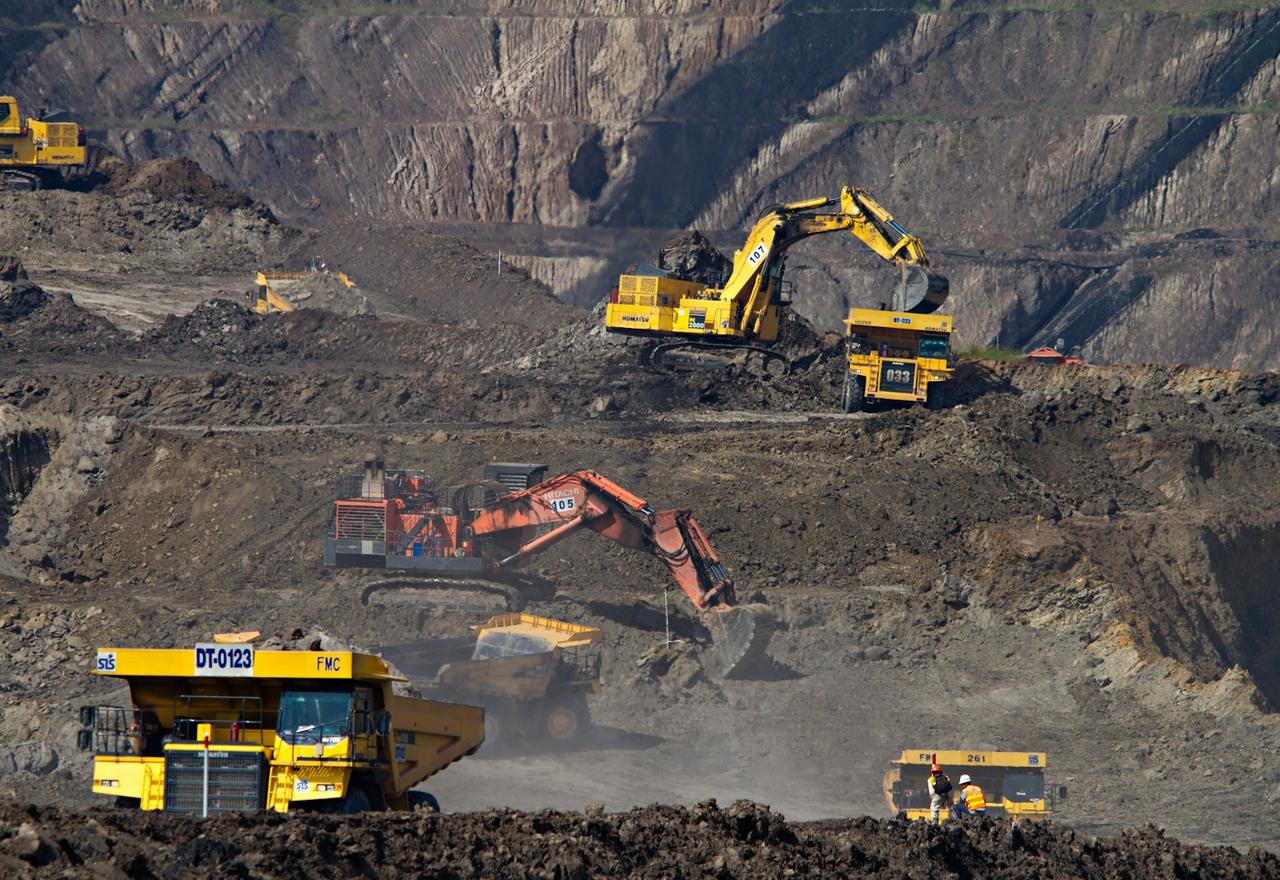
Demia signs production volumes, assays, coordinates and timestamps at the point of capture. The signature happens before the data passes through any system that could change it. Every processing and transport handoff links to that signed record. As a result, the chain from ore to delivery has no breaks.
What changes for you
One deployment answers every buyer and regulator.
The same signed record produces DFARS origin evidence, battery passport data, 45X and FEOC substantiation, and offtake qualification packages. Your team no longer rebuilds the same answers for each audience. Buyers who can't accept unverified supply can buy from you.
Why it holds up
Proven in the field and built for remote sites.
The World Bank and UNEP recognized Demia's Chile digital MRV pilots (2018 to 2022). Capture hardware continues to sign with no connection. It syncs when a link returns. Remote sites never leave a gap in the chain.